
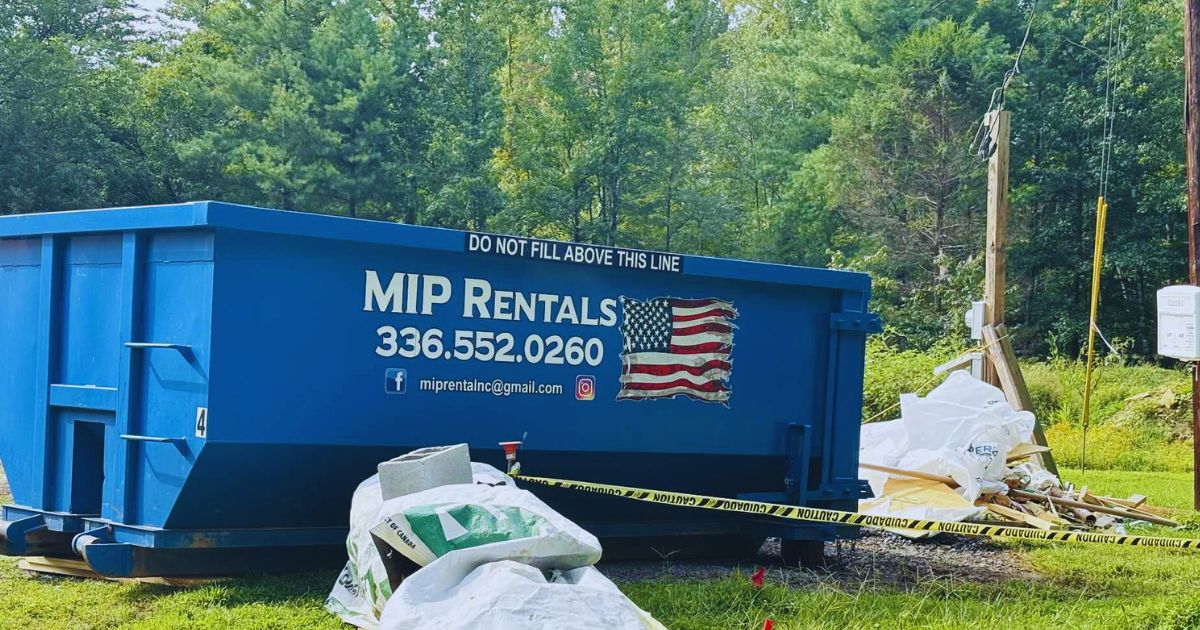
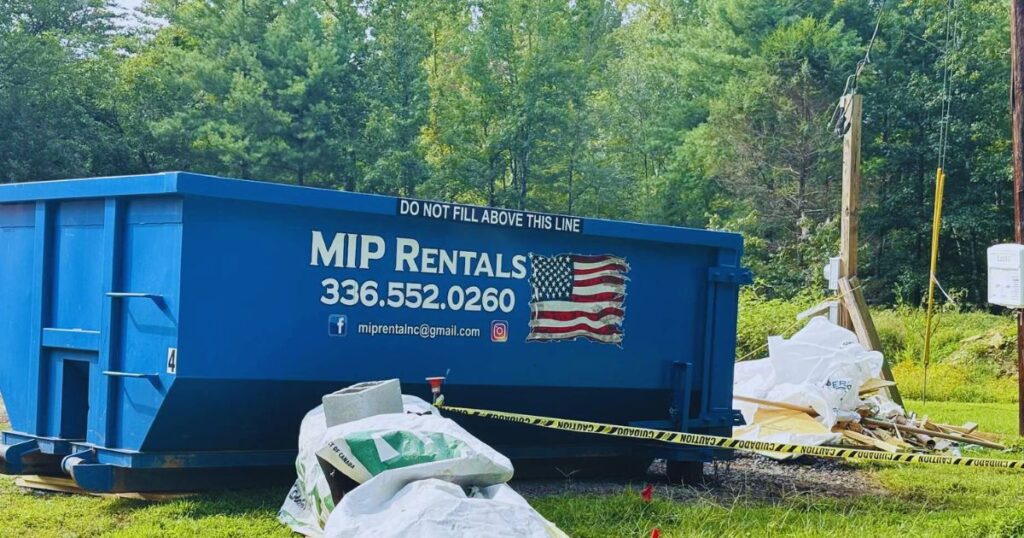
“Overloading the dumpster” means filling it beyond its capacity or throwing in items that shouldn’t be there. It’s crucial to dispose of your waste correctly for both home and business cleanups. Improper waste disposal can lead to extra fees, safety hazards, environmental damage, and even legal issues.
In this post, we’ll explore why overloading a dumpster is a bad idea and how to dispose of waste the right way.
This guide will help homeowners, contractors, and business owners stay on track and avoid costly mistakes.
What Happens When You Overload a Dumpster?
Overloading a dumpster may seem like a quick solution to get rid of more debris, but it causes a variety of problems:
Transportation Challenges
When a dumpster is overloaded, it becomes difficult and dangerous to transport. A truck carrying an overfilled dumpster may not be able to safely transport it, and additional trips may be required. Overloading a dumpster can also strain the vehicle, resulting in costly repairs and delays.
Safety Risks
An overloaded dumpster increases the risk of debris spilling onto the road or job site. This not only causes hazards for drivers, but also for pedestrians and workers. In some cases, loose debris can obstruct traffic, causing accidents or delays in transportation.
Extra Costs
Rental services often charge extra fees for overfilled dumpsters. In addition to paying for the rental itself, you might have to pay for additional trips or even a higher disposal fee due to the extra weight. Not to mention, the inconvenience of dealing with these added costs could delay your project.
Damaging the Dumpster
Overloading the dumpster puts extra stress on the structure, leading to potential damage. Crushed dumpsters may be unusable for future rentals, and the cost to replace or repair the dumpster can fall on you.
If you’re unsure about what to ask before booking a dumpster rental, make sure you’re fully informed by reviewing the essential questions to ask before making your decision.
The Dangers of Throwing Inappropriate Items Into a Dumpster
Certain items are illegal to throw in a dumpster due to safety, environmental, or recycling concerns. Improperly disposed of items can lead to hefty fines and harm the environment.
Here’s a list of items you should never throw into a dumpster:
Hazardous Materials
Chemicals, paints, solvents, and pesticides are considered hazardous materials. They can cause contamination in the soil, water, and air. Many of these materials also require specialized disposal services that meet legal and environmental standards.
Electronics
Electronics such as computers, TVs, and phones contain toxic substances like mercury and lead. Instead of dumping them in the trash, take them to an electronics recycling facility that can properly handle these items.
Tires
Tires can’t be thrown in a dumpster because they take up a lot of space and may be recycled in a different way. If you dispose of tires improperly, they can end up taking up space in landfills for years, contributing to waste buildup.
Batteries
Batteries contain harmful chemicals that can pollute water and soil. Like electronics, batteries should be recycled at designated centers that can manage their disposal safely.
Medical Waste
Sharps, needles, and other medical waste must be disposed of in a safe, controlled manner. Medical facilities and hazardous waste disposal sites offer safe and legal ways to dispose of these items.
Large Appliances
Items like refrigerators, washing machines, and air conditioners are considered bulky waste. They often contain harmful chemicals like Freon, which can be damaging to the environment if disposed of incorrectly.
Why It’s Important to Follow the Rules
Throwing these items away in a dumpster might save time in the short term, but it can cause long-term harm to the environment and public health. Make sure to dispose of these items at appropriate collection sites to avoid penalties and help preserve the planet.
The Environmental Impact of Improper Waste Disposal
The consequences of improper waste disposal go far beyond just violating the rules. Here are some of the environmental effects:
Landfill Overflow
The increasing volume of waste being thrown into landfills contributes to their rapid expansion. Overloading dumpsters with improperly disposed of items means more trash ends up in landfills, increasing environmental strain.
Pollution
When hazardous materials are improperly disposed of, they can leach harmful chemicals into the soil and water. This leads to pollution, which can contaminate drinking water sources and disrupt local ecosystems.
Hindered Recycling Efforts
Dumping non-recyclable materials with recyclable waste makes it much harder to separate and process items. For example, hazardous materials mixed with recyclables can render entire batches of recyclable items unusable, increasing the volume of waste sent to landfills.
The Hidden Costs of Failing to Follow Dumpster Rental Guidelines
Ignoring dumpster rental guidelines can lead to unexpected costs and disruptions to your project:
Additional Fees
Overloading a dumpster can result in higher rental costs and additional fees for disposal. Some companies charge extra if the weight limit is exceeded or if the dumpster is improperly loaded. To avoid these fees, make sure to check the weight restrictions before you start loading the dumpster.
Project Delays
If a dumpster is overloaded, the rental company may need to pick up the dumpster early, or you may need a replacement dumpster. This can delay your project and cause interruptions to your timeline.
Legal and Paperwork Issues
Improper disposal of waste may result in legal issues, including fines and penalties for non-compliance with local waste management regulations. To avoid the hassle of paperwork and legal trouble, always follow proper waste disposal protocols.
How to Properly Use a Dumpster
Using a dumpster properly is simple when you follow these tips:
What You Can Put in a Dumpster
- Construction debris (wood, drywall, concrete)
- Yard waste (branches, leaves, grass)
- Old furniture (couches, tables, chairs)
- Non-toxic household waste (cleaning supplies, non-hazardous waste)
Loading Tips
- Break down large items: By breaking up large items, such as furniture or wood, you create more space, reducing the risk of overloading.
- Flatten boxes: This ensures you are maximizing space and not leaving gaps in the dumpster that can cause uneven weight distribution.
- Load evenly: Try to distribute weight evenly across the dumpster. This will prevent it from becoming too top-heavy and will make transportation safer.
How to Avoid Overloading Your Roll-Off Dumpster Rental
To ensure you don’t overload your roll-off dumpster rental and avoid unnecessary fees or risks, here are some helpful tips:
Know the Weight Limits
Every dumpster has a weight limit, so it’s essential to confirm this with your rental company. Exceeding the weight limit can lead to extra charges and complications during transportation. Make sure to ask for the weight restrictions and plan accordingly.
Don’t Fill Above the Top Edge
One of the simplest ways to avoid overloading is to ensure that the contents of the dumpster don’t exceed the top edge. Filling the dumpster past this point creates an unsafe load and may lead to fines or additional charges.
Distribute Weight Evenly
When loading the dumpster, try to distribute the weight as evenly as possible. This prevents the dumpster from tipping or becoming unbalanced, which can create safety hazards. Packing the dumpster in layers and packing items tightly will help maintain balance.
Break Down Large Items
Large and bulky items take up a lot of space. By breaking them down into smaller pieces, you can maximize the available space in the dumpster without overloading it.
Use a Professional to Help with Heavy Items
If you’re dealing with large, heavy, or difficult-to-manage items, it might be worth hiring a professional to help pack the dumpster. This can ensure that the dumpster is loaded safely and effectively.
Know What’s Allowed in the Dumpster
Be aware of what can and cannot go in a dumpster. Items like hazardous waste, electronics, and large appliances require special disposal methods. Trying to dispose of these items in a roll-off dumpster may result in fines, delays, or damage to the dumpster.
By following these tips, you can ensure that your roll-off dumpster is used efficiently and safely while avoiding the common pitfalls of overloading.
Frequently Asked Questions
Can I throw away electronics in a dumpster?
No, electronics must be taken to a certified e-waste recycling center. These facilities can safely recycle and dispose of hazardous components.
What should I do if my dumpster is full before my project is finished?
If your dumpster fills up early, call the rental company for an additional pickup or request another dumpster to finish your project.
What happens if I put hazardous waste in the dumpster?
Failing to dispose of hazardous waste properly can result in fines, environmental harm, and legal issues. Always use designated disposal sites for such materials.
Why is it important to dispose of waste correctly?
Proper disposal prevents pollution, helps conserve resources through recycling, and reduces the strain on landfills. It also protects wildlife and public health.
The Win-Win of Proper Dumpster Use
By following dumpster guidelines, you can avoid unnecessary costs, keep your projects on schedule, and contribute to a cleaner, safer environment. Proper waste disposal ensures your project runs smoothly while helping preserve our planet.
For more information or to book a dumpster rental, contact us at MIP Dumpster Rentals. We’re here to help you dispose of your waste efficiently and responsibly. Email us at miprentalnc@gmail.com. And let’s make waste disposal easy and hassle-free!